What Is MHS Theatre Putting on the Stage This Fall?
For students at Melissa High School, November is not just the tail end of a football season or the run-up to Thanksgiving break. It is a month defined, in part, by footwork — specifically, the kind that fills a stage. Melissa ISD’s high school theatre program is presenting Footloose: The Musical across four performance dates this month: November 5, 10, 12, and 14. All performances take place at the Melissa Arts Center.
The choice of Footloose is worth pausing on. Based on the 1984 film that became a cultural touchstone for a generation, the stage adaptation centers on a teenager who moves to a small, close-knit town and challenges its restrictions on dancing and youth expression. The themes of community identity, generational tension, and belonging carry a particular resonance when performed by young people for the town they actually live in. Melissa is itself a community that has grown rapidly in recent years, navigating questions about what kind of place it wants to be — and theatre, in that context, becomes something more than entertainment.
Why Does the Melissa Arts Center Matter to This Story?
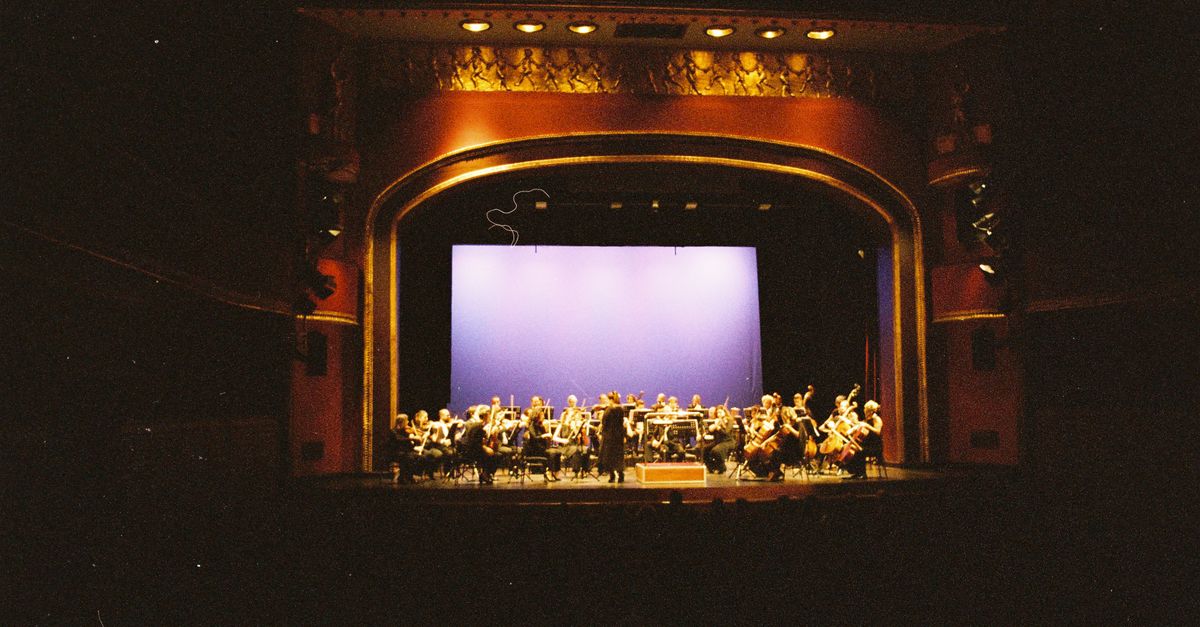
The venue itself is part of what makes this production significant. The Melissa Arts Center represents a deliberate investment by the district in giving students a dedicated, professional-quality space for performing arts. For a city that has expanded as quickly as Melissa has, the presence of a facility oriented around the arts signals something about community priorities — that growth should include cultural infrastructure, not just residential and commercial development.
When Melissa ISD theatre students take that stage, they are not performing in a gymnasium or a converted cafeteria. They are working in a space designed for the craft, which raises expectations on both sides of the curtain. That environment shapes what a production like Footloose can become: a genuinely polished piece of community theatre, not simply a school recital.
What Does a Four-Night Run Indicate About the Program’s Scale?
Four scheduled performances — November 5, 10, 12, and 14 — suggest a program with both the capacity and the audience demand to sustain a multi-night run. That is not a given for a high school theatre department. It reflects a student cast and crew large enough to maintain energy across multiple shows, a director or directors with the organizational infrastructure to manage production logistics over nearly two weeks, and a community willing to fill seats more than once.
For residents who may not have attended a Melissa ISD theatre production before, the spread of dates also offers flexibility. The November 5 and 10 dates fall on a Thursday and Tuesday, respectively, while the November 12 and 14 dates land on a Thursday and Saturday — giving families, grandparents, and community members options beyond a single weekend window.
How Does Student Theatre Connect to the Broader Melissa Community?
There is a tendency to treat school arts programming as a matter purely internal to the district — something for parents of participants to attend, acknowledge, and move on from. That framing undersells what productions like Footloose actually do for a city like Melissa.
First, they create shared cultural reference points. A family that attends a Melissa High School musical in November 2026 carries that experience forward. The student who played the lead role becomes a recognizable face; the production becomes a data point in the ongoing story of what Melissa’s young people are capable of.
Second, they draw people into civic spaces. The Melissa Arts Center is a public facility. When it fills with an audience for a student production, that audience is engaging with a piece of shared infrastructure — experiencing firsthand what the community has built for its residents. That kind of engagement, repeated across events and years, reinforces a sense of place that no amount of residential construction alone can manufacture.
Third, performing arts programs develop capacities in students that extend well beyond performance itself. Stagecraft requires project management. Ensemble work requires negotiation and trust. Learning lines, hitting marks, and projecting to the back row under pressure require discipline and adaptability. These are not soft skills in any dismissive sense; they are foundational competencies for virtually any professional or civic role a student might eventually take on.
What Should Prospective Attendees Know?
The four performance dates are November 5, 10, 12, and 14, all at the Melissa Arts Center. Prospective attendees looking for ticketing details, times, or reservation information can consult melissaisd.org directly, as the district is the primary source for production logistics.
It is also worth noting that the November 14 performance coincides with the 4th Annual Heart of Melissa Fall Fest in downtown Melissa, running from 11:00 AM to 3:00 PM. For residents planning their Saturday, there is at least the possibility of attending both — the outdoor festival in the afternoon and the evening performance at the Arts Center — though confirming the specific curtain time for the November 14 show through the district’s official channels would be the prudent step before building that itinerary.
Why Is This the Kind of Event That Reflects a Maturing Community?
Melissa has spent the better part of a decade managing the pressures and opportunities that come with rapid population growth. Infrastructure, schools, and services have all had to scale to meet demand. What sometimes lags in fast-growing cities is the development of cultural life — the arts programming, civic traditions, and shared experiences that make a place feel like a community rather than simply a collection of addresses.
A high school theatre program capable of mounting a four-performance run of a full musical is one modest but meaningful indicator that Melissa is building that cultural life alongside its roads and subdivisions. The students performing Footloose this November are not just rehearsing a show. They are participating in the construction of a community identity — one that, ideally, will still be recognizable decades from now when those same students are the ones bringing their own children to watch the next generation take the stage.